White Paper: High Precision Positioners Used in the Advancing LiDAR Technology

Home -
Latest News -
White Paper: High Precision Positioners Used in the Advancing LiDAR Technology

April 24, 2026

White Paper: High Precision Positioners Used in the Advancing LiDAR Technology

LiDAR (Light Detection and Ranging) is an advanced remote sensing technology based on laser
ranging and angular measurement. This technology operates by emitting laser beams towards
targets and receiving/analysing the reflected signals to accurately calculate target parameters
including distance, velocity, and azimuth angle, thereby enabling precise target detection, tracking,
and identification. Compared to traditional microwave radar systems, LiDAR demonstrates
significant technical advantages: it offers higher spatial resolution, superior stealth capabilities,
stronger resistance to active interference, excellent low-altitude detection performance, as well as
compact size and lightweight characteristics.

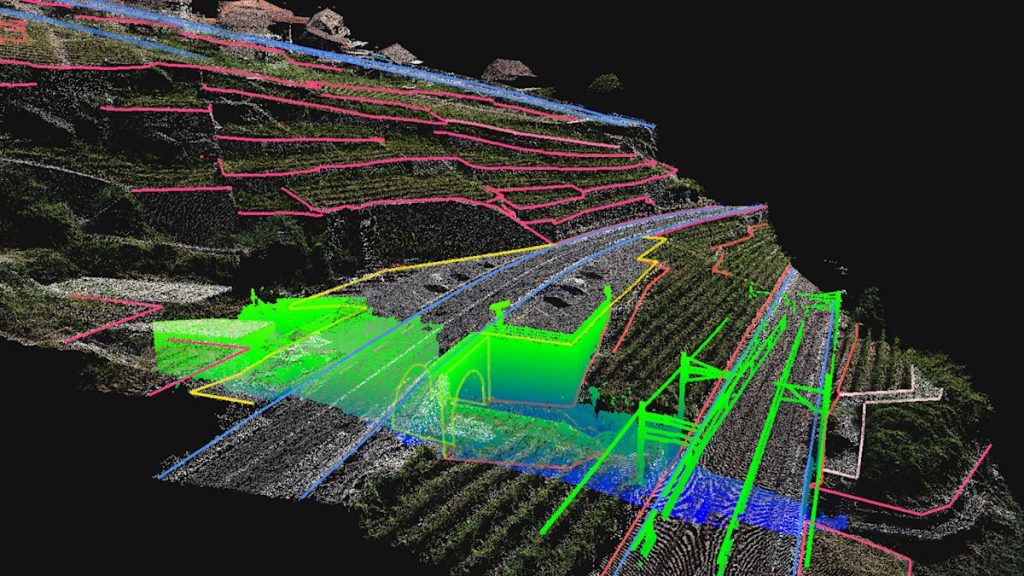
High Precision Positioners Used in the Advancing LiDAR Technology

High Precision Positioners Used in the Advancing LiDAR Technology

First
Last

OTHER NEWS POSTS

September 8, 2026

The Ultimate Guide to Raman Spectroscopy for Counterfeit Spirits and Alcohol Authentication

August 31, 2026

The Ultimate Guide to Hyperspectral Imaging

August 29, 2026

The Ultimate Guide to Optomechanics

August 27, 2026

The Ultimate Guide to Bandpass Filters

August 24, 2026

The Ultimate Guide to NIR Spectroscopy

August 21, 2026

The Ultimate Guide to Optical Isolators and Faraday Rotators

August 11, 2026

PPXX Bulk and Waveguide Mixers: Compact, Efficient Frequency Conversion

August 4, 2026

The Ultimate Guide to Raman Microscopes and Spectrometers

July 30, 2026

Refreshed product line from Lightnovo

July 30, 2026

The Ultimate Guide to Kinematic Mirror Mounts

April 24, 2026

White Paper: Optical Tables: The Basis of Precision Optics

April 24, 2026

White Paper: High Stability Optical Mirror Mounts: Ensuring Precise Control for Aesthetics Devices